Connecting Actions for a Zero Waste Vietnam
The Vietnam Zero Waste Forum is an annual event of the Vietnam Zero Waste Alliance (VZWA), providing a platform for member organizations, partners, government agencies, businesses, and communities to exchange experiences, showcase practical initiatives, and strengthen collaboration toward sustainable waste management. The 2026 Forum was co-organized by the Center for Supporting Green Development (GreenHub) and Pacific Environment, bringing together representatives from government agencies, civil society organizations, businesses, educational institutions, local communities, and VZWA member organizations.
Established in 2017 with support from Pacific Environment, VZWA is a network of organizations and individuals united by a shared commitment to advancing Zero Waste solutions in Vietnam. Through collaboration among its members, the Alliance promotes approaches that prioritize waste prevention, reuse, source separation, organic waste management, and resource recovery. As plastic pollution, increasing waste generation, and growing pressure on natural resources and the environment become ever more urgent challenges, Zero Waste must be understood as more than a matter of waste collection and treatment. It represents a shift toward preventing waste at its source, extending the useful life of products and materials, and reducing reliance on end-of-pipe waste management solutions. Vietnam Zero Waste Forum 2026 served not only as an opportunity to share achievements, but also as a platform for stakeholders to explore how proven solutions can be adapted, sustained, and scaled up in different contexts.
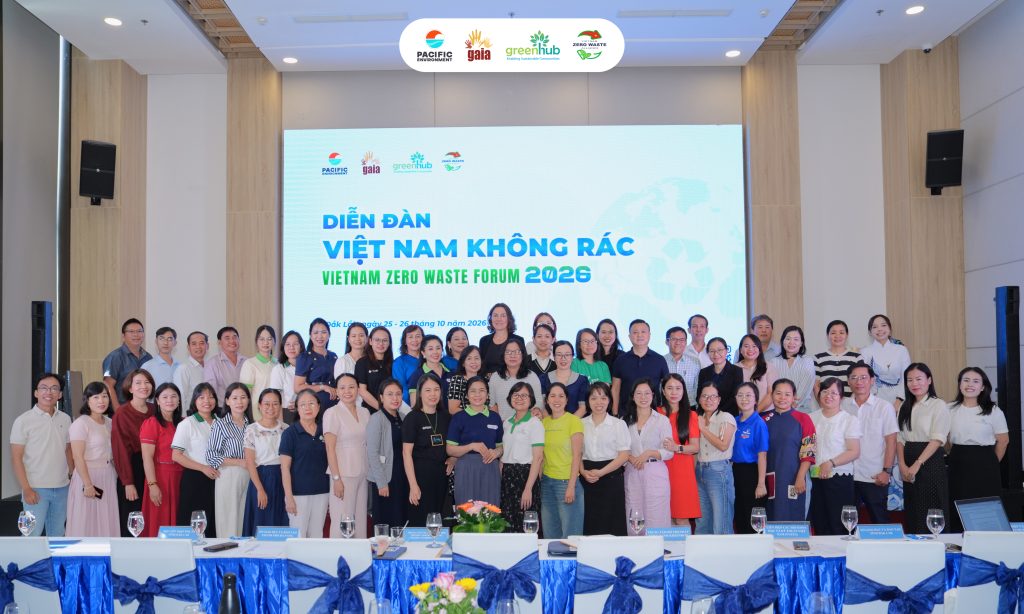
Photo 1: Delegates at Vietnam Zero Waste Forum 2026
From Local Initiatives to Tangible Results
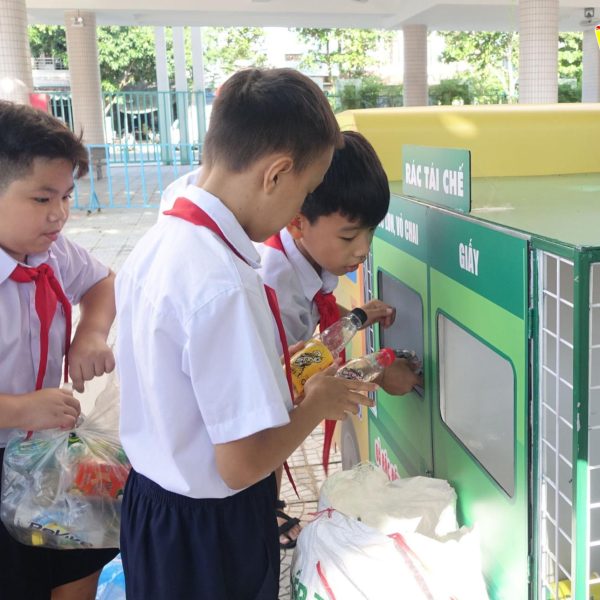
One of the Forum’s highlights was the presentation of practical achievements across different sectors, demonstrating how Zero Waste principles are gradually being translated into concrete actions in everyday life, production, and consumption. In education, the Center for Adaptive Capacity Building Research (CAB) shared its experience implementing Zero Waste models in schools across Da Nang and surrounding areas. Notably, all 17 preschools participating in the pilot achieved at least a 70% reduction in plastic waste, demonstrating the effectiveness of integrating waste reduction practices into everyday school operations. In tourism, GreenHub presented its Zero Waste tourism initiative in Dak Lak Province, which introduced measures to reduce single-use plastics, encourage reuse, and promote waste separation at source. Following a three-month pilot, one participating accommodation facility reported a 38% reduction in waste released into the environment, highlighting the potential of operational changes to reduce waste generation in the hospitality sector. The Center for Sustainable Development Building and Promotion (BUS) shared lessons from a pilot project introducing waste collection fees based on the amount of waste generated in Hoi An. In Cam Nam Ward, the rate of waste separation at source reached 72% in 2024, compared with 45–66% before 2022, illustrating how economic incentives can encourage more responsible waste management practices.
As the Alliance’s only member working specifically in circular fashion, Keep Vietnam Clean (KVC) shared its experience promoting the reuse of second-hand clothing. Since 2019, KVC and Green Gem Shop have collected more than 71 tonnes of used clothing, approximately 80% of which has been resold or donated, helping extend the lifespan of textiles and reduce textile waste. Despite operating in different contexts, these initiatives share a common lesson: Zero Waste is not a single solution, but an approach that can be integrated across sectors through meaningful changes in behavior, operational practices, and the way resources are used. Yet these encouraging results also raise a broader question: How can successful pilot initiatives be sustained, expanded, and transformed into widely adopted practices rather than remaining confined to individual projects?
Moving beyond the pilot stage requires more than community enthusiasm or temporary project funding. It demands supportive policy frameworks, sustainable financing, strong local implementation capacity, adequate infrastructure, and effective coordination among stakeholders. In her opening remarks, Kristen McDonald, Senior Director of the Plastics Program at Pacific Environment, emphasized the importance of moving beyond successful pilot projects toward systemic change. Key priorities include preventing waste generation, expanding reuse, strengthening corporate accountability, mobilizing resources to sustain and scale effective solutions, and ensuring meaningful participation by communities and waste workers.Her message underscores a fundamental principle: Achieving Zero Waste cannot be the responsibility of consumers alone. It must be embedded in how products are designed, services are delivered, and waste management systems are organized.
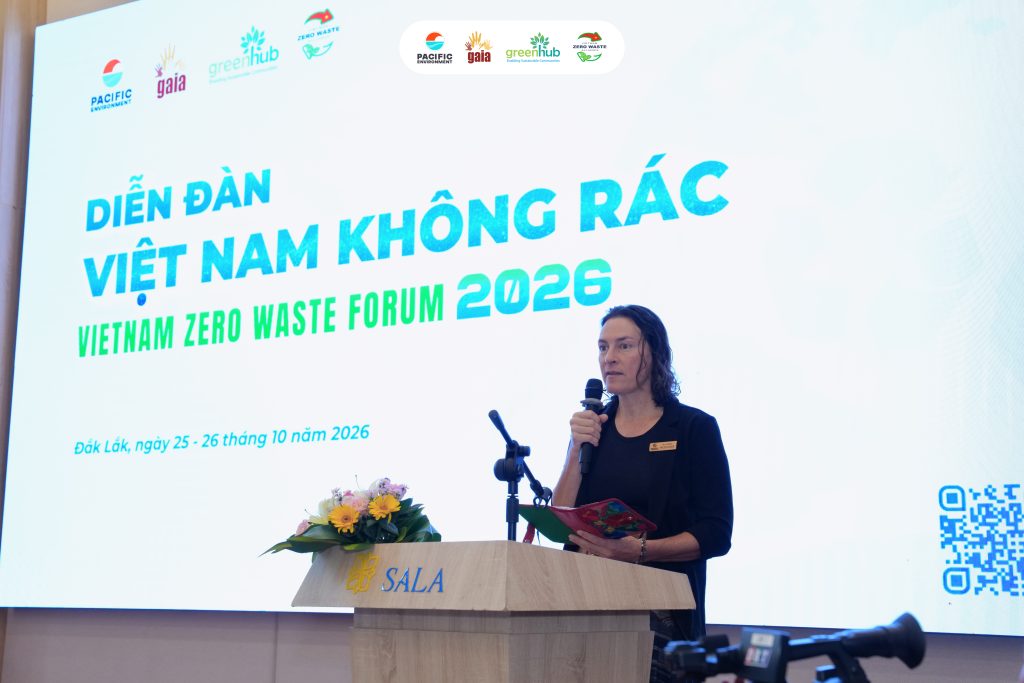
Photo 2: Kristen McDonald, Senior Director of the Plastics Program at Pacific Environment
Building on this perspective, Dang Nguyet Anh of the National Plastic Action Partnership (NPAP Vietnam) highlighted that transitioning to a circular economy requires more than addressing technological, infrastructural, and policy challenges. It also means confronting existing inequalities across the plastics value chain and creating safer, more equitable opportunities for communities, particularly women and groups whose voices are often underrepresented in decision-making processes.
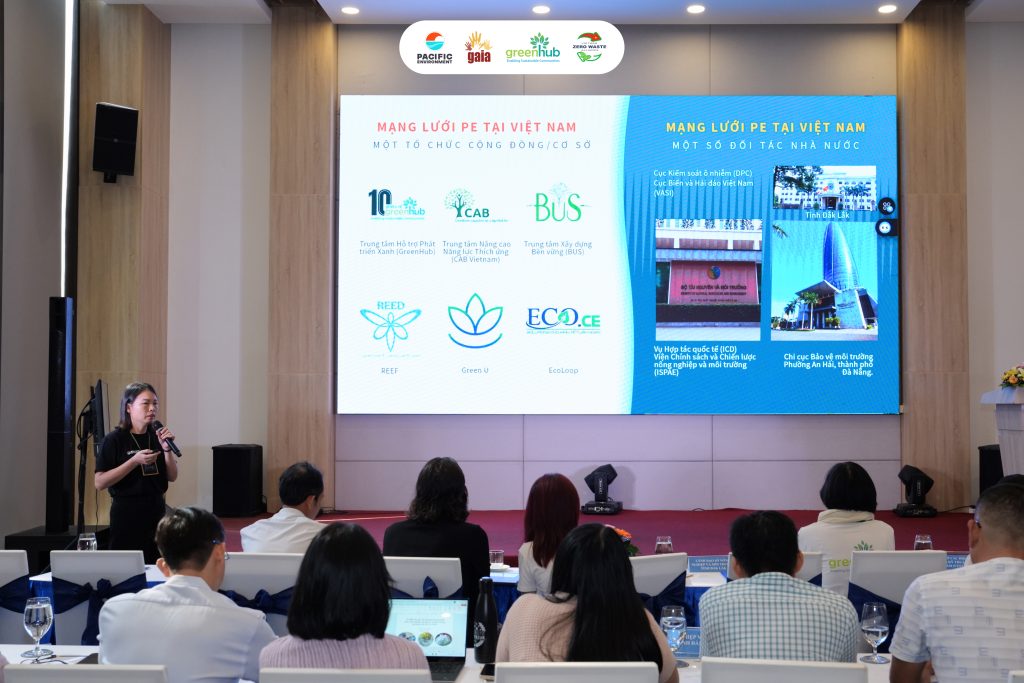
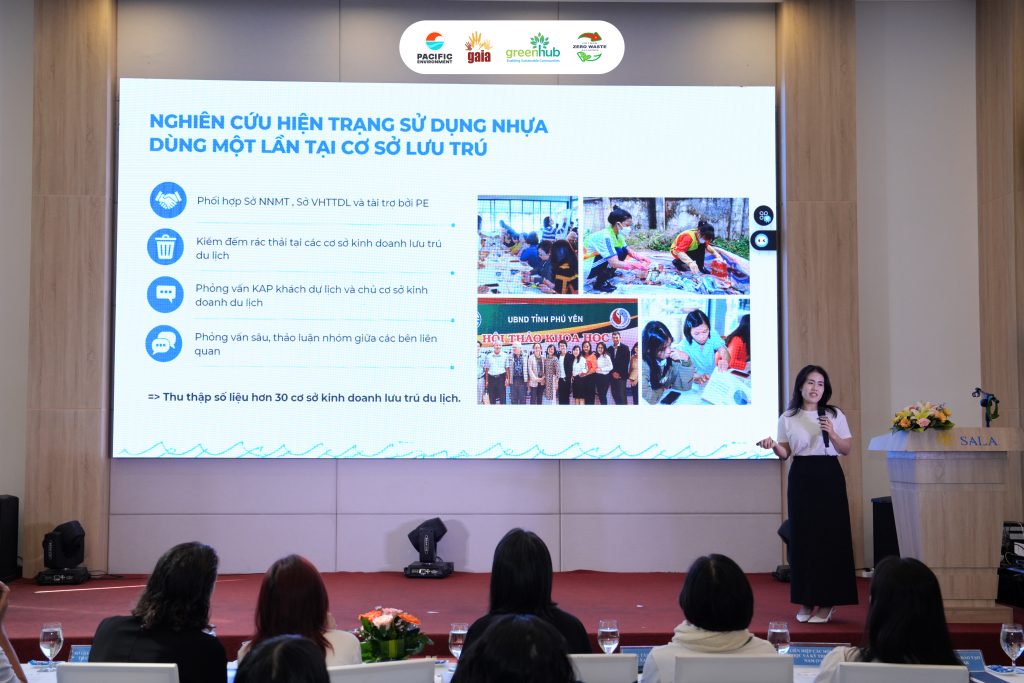
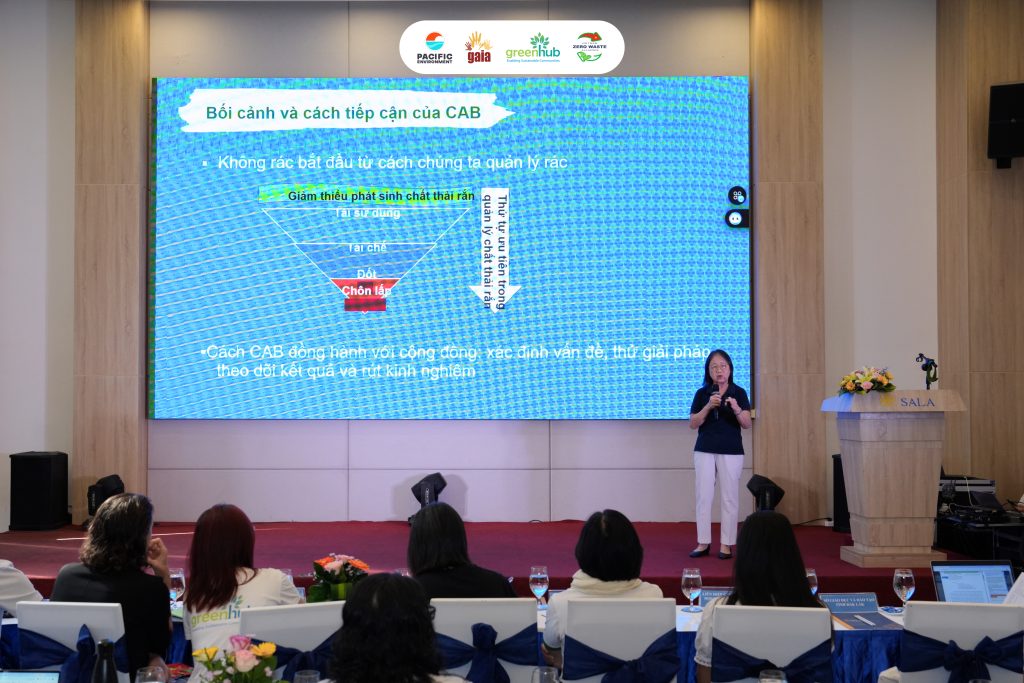
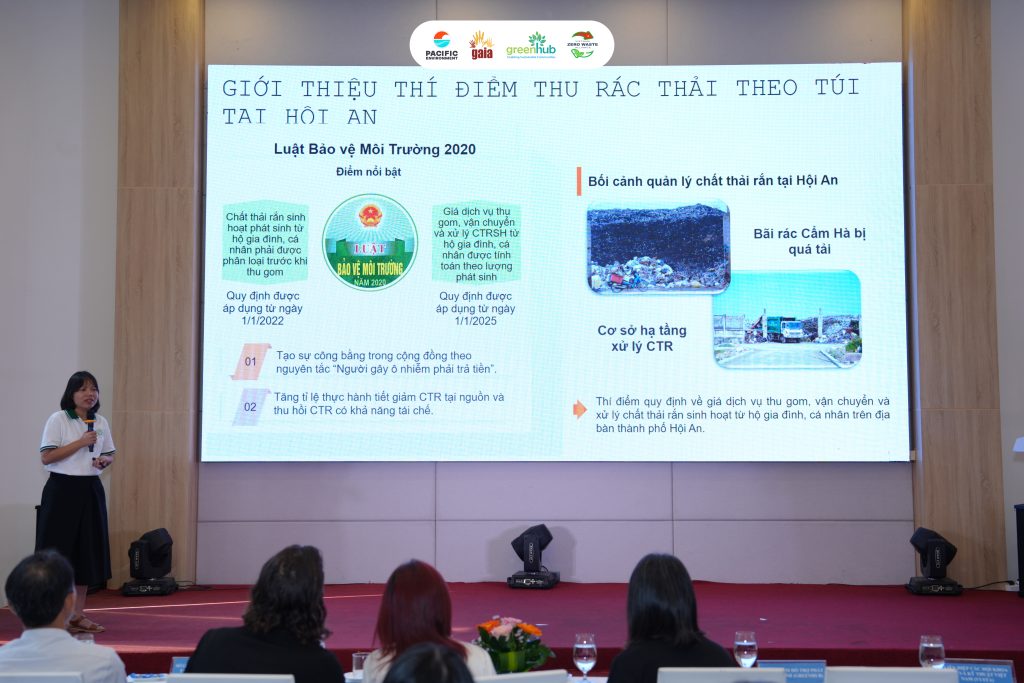
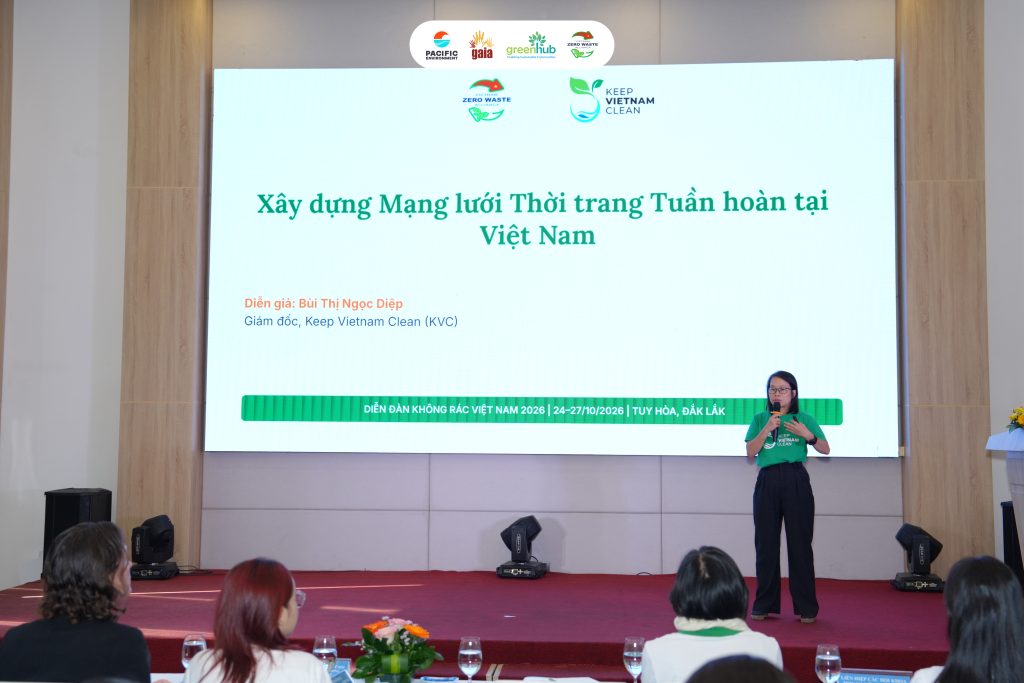
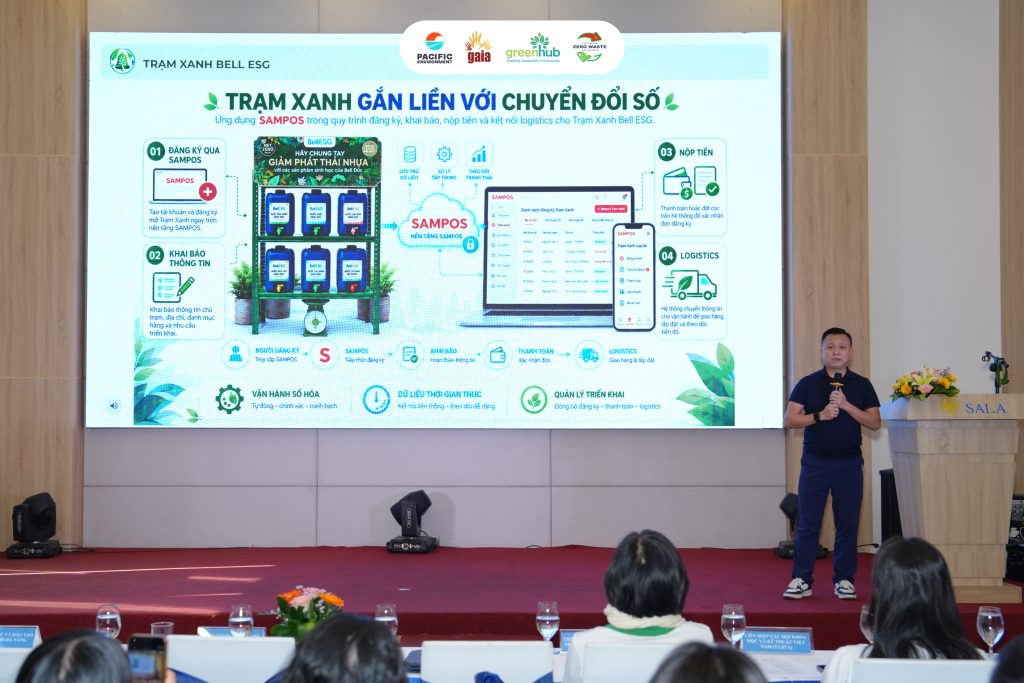
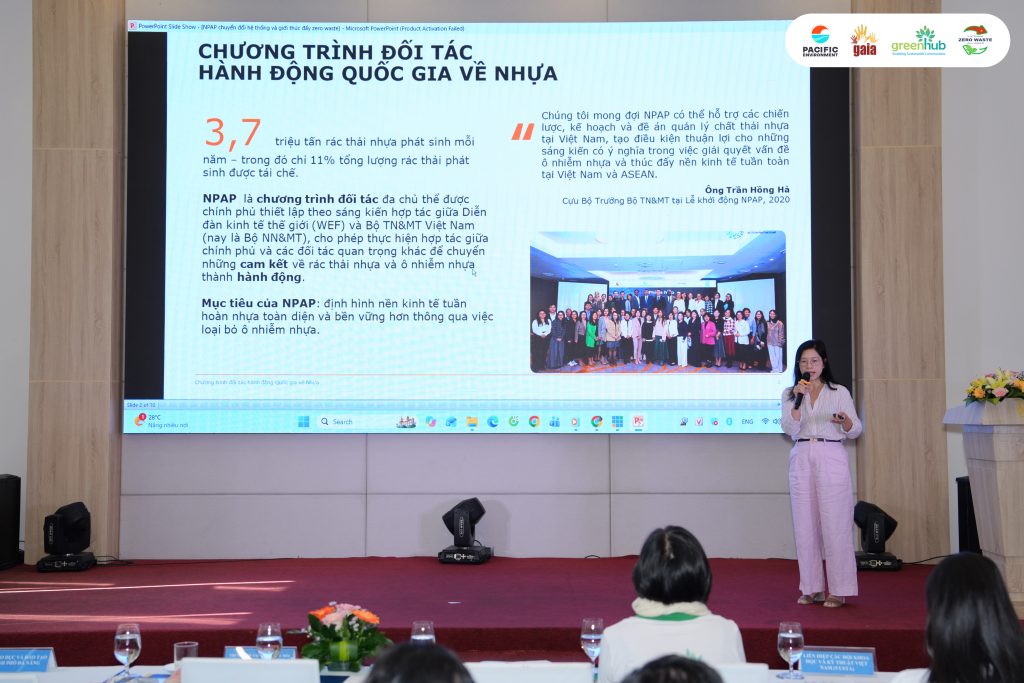
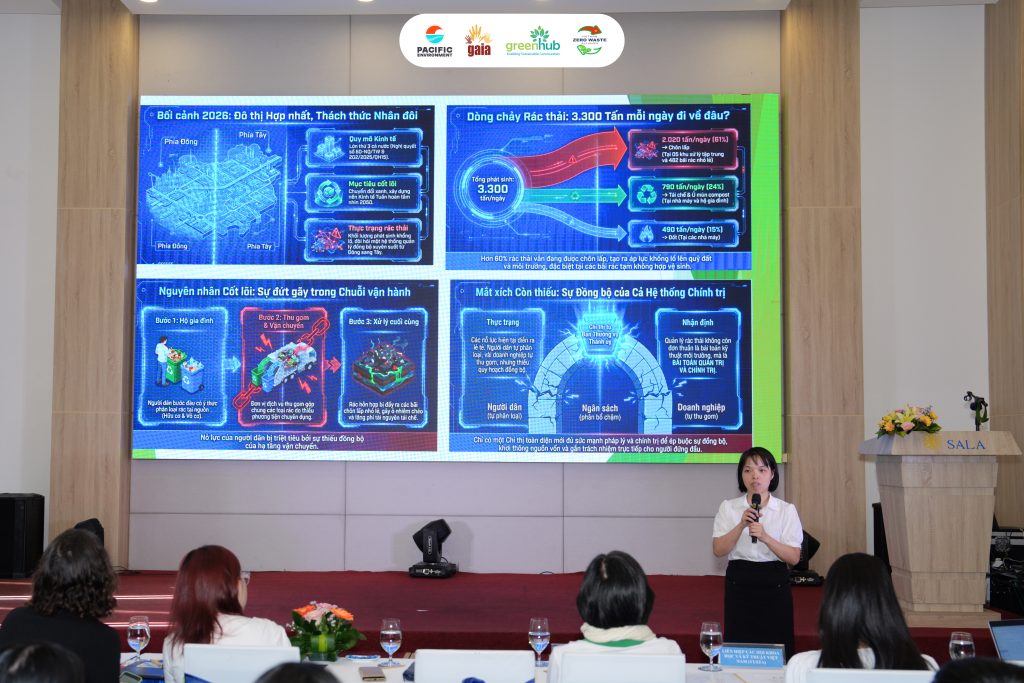
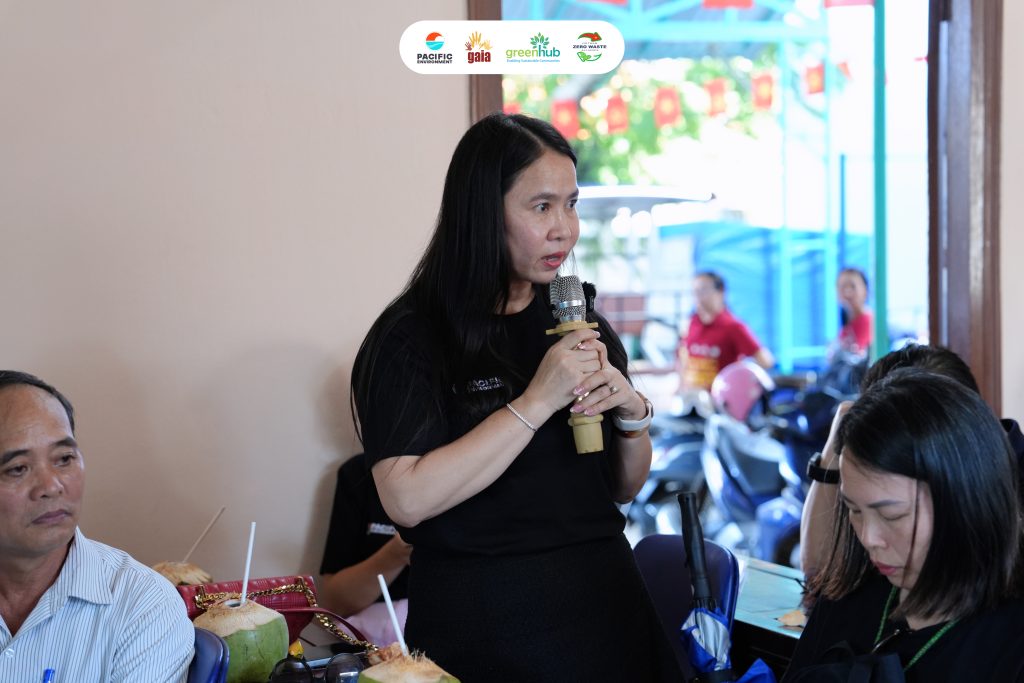
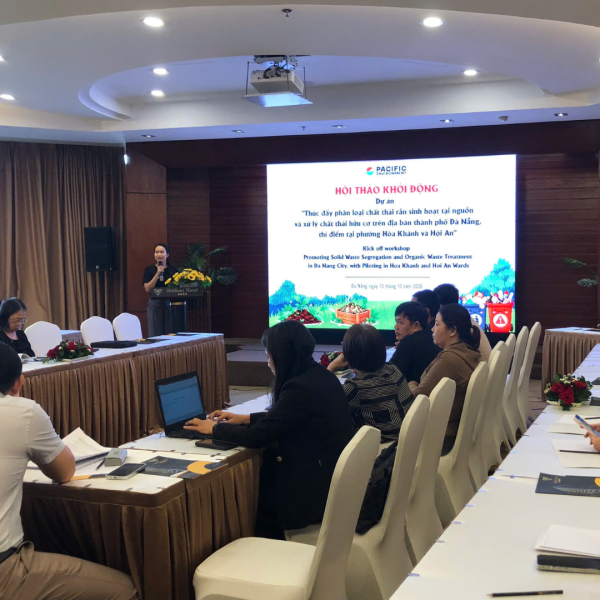
Photo 3-8: Presentations at forum
Connecting Experiences, Exploring Pathways to Scale
Building on the models and experiences presented, the Forum provided opportunities for participants to discuss how successful Zero Waste approaches could be adapted and expanded across different localities. The discussions focused on four key areas: Zero Waste tourism; waste separation and volume-based waste collection fees; reuse and recycling; and Zero Waste practices in schools. Rather than focusing solely on achievements, the discussions also explored implementation challenges, practical limitations, and the policy and financial conditions necessary for these models to be adopted in different settings.
This is an essential consideration, as there is no one-size-fits-all approach to Zero Waste. Solutions implemented in urban areas, rural communities, schools, or businesses are shaped by differences in infrastructure, available resources, local economic conditions, and everyday practices. Scaling up, therefore, is not simply a matter of replicating a successful model elsewhere. It requires careful assessment, adaptation, and the creation of enabling conditions that allow solutions to remain effective in new contexts. For VZWA, connecting experiences and expertise across member organizations, localities, and partners is central to this process. When lessons from practical implementation are shared and systematically documented, they can help strengthen existing models and generate evidence to inform policy dialogue.
Communities: The Foundation of Lasting Change
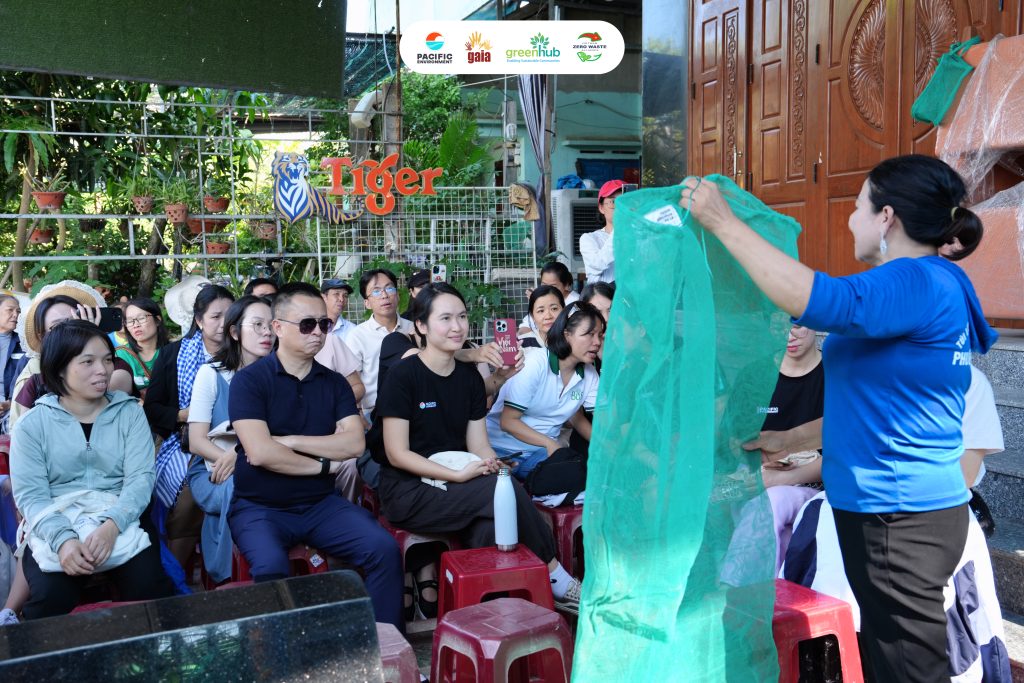
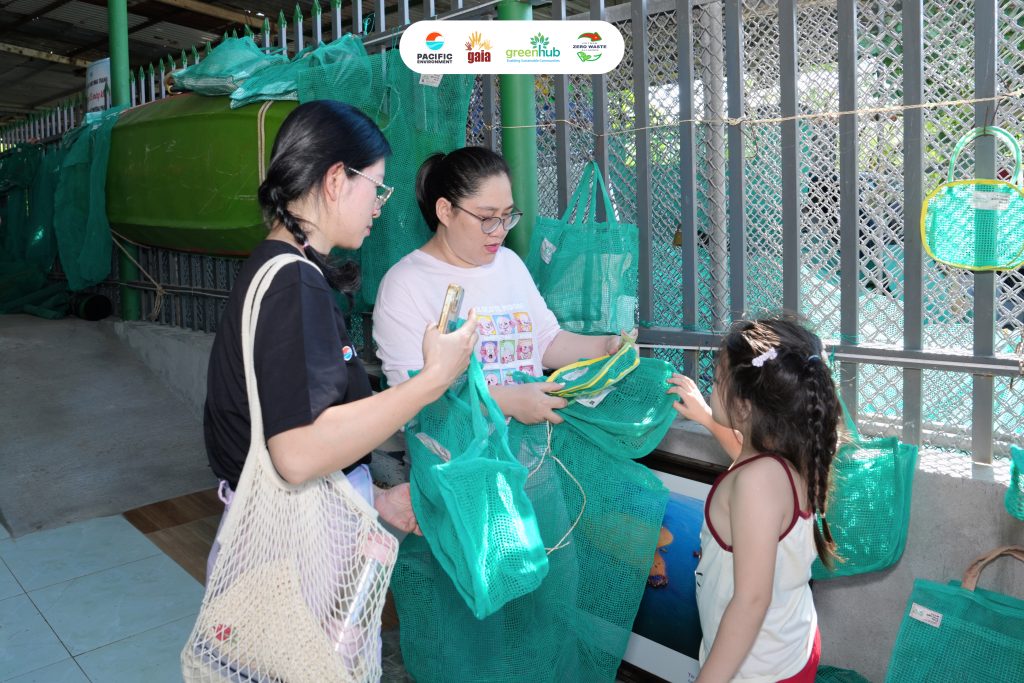
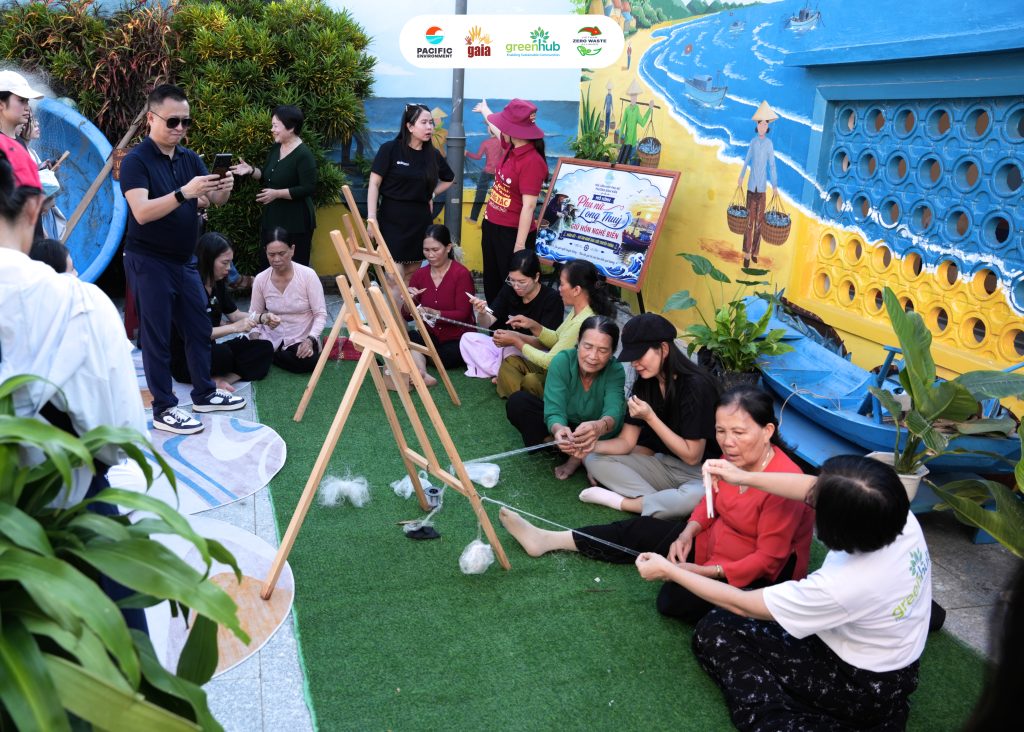
Beyond the technical discussions, the Forum also provided an opportunity for participants to explore Zero Waste practices closely connected to local livelihoods and everyday community life. Field visits to the My Le net-bag production initiative and Long Thuy neighborhood in Binh Kien Ward, Dak Lak Province, highlighted local initiatives involving recyclable material collection, the repurposing of discarded fishing nets, and waste reduction practices among households, accommodation providers, and local communities. These initiatives offer an important reminder: Zero Waste solutions do not necessarily begin with sophisticated technologies or substantial investments. They can emerge from practical local needs, traditional knowledge, and the initiative of communities themselves. In this process, residents are not merely the recipients of environmental awareness campaigns or people encouraged to change their behavior. They are active participants in developing, implementing, and sustaining solutions.
This is particularly important for community-based initiatives, where long-term sustainability depends not only on technical effectiveness but also on tangible benefits, community consensus, and a genuine sense of local ownership. A Zero Waste initiative can only achieve lasting impact when its practices become part of everyday life, rather than remaining dependent on the duration of a project. And a Zero Waste Vietnam can only be built when communities are not simply participants in change, but empowered to shape and lead it.
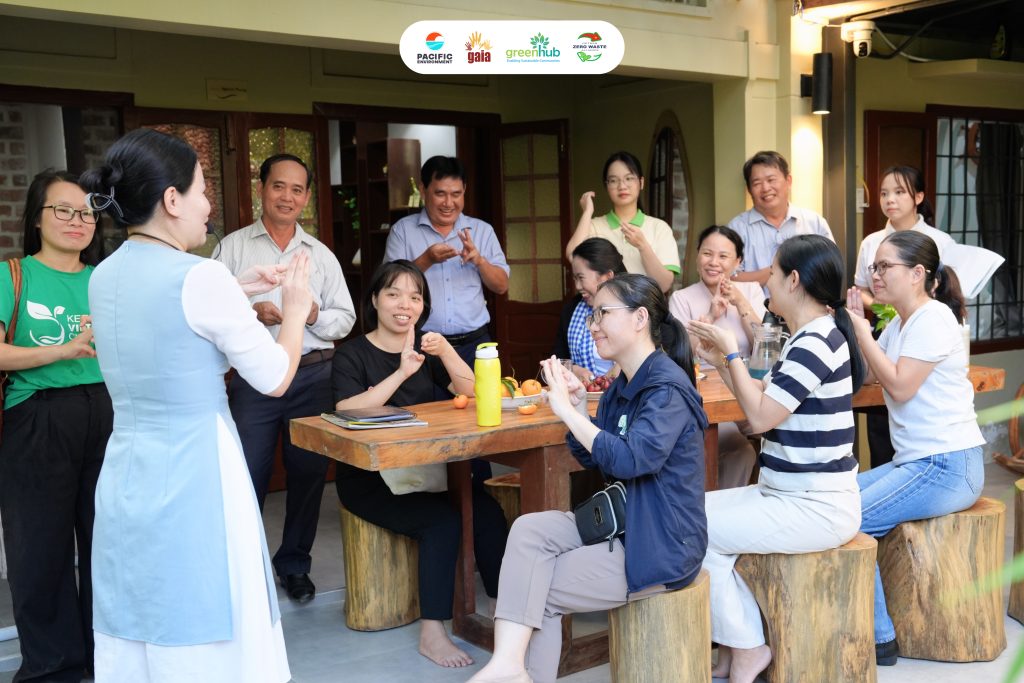
Several photos from fieldtrip: