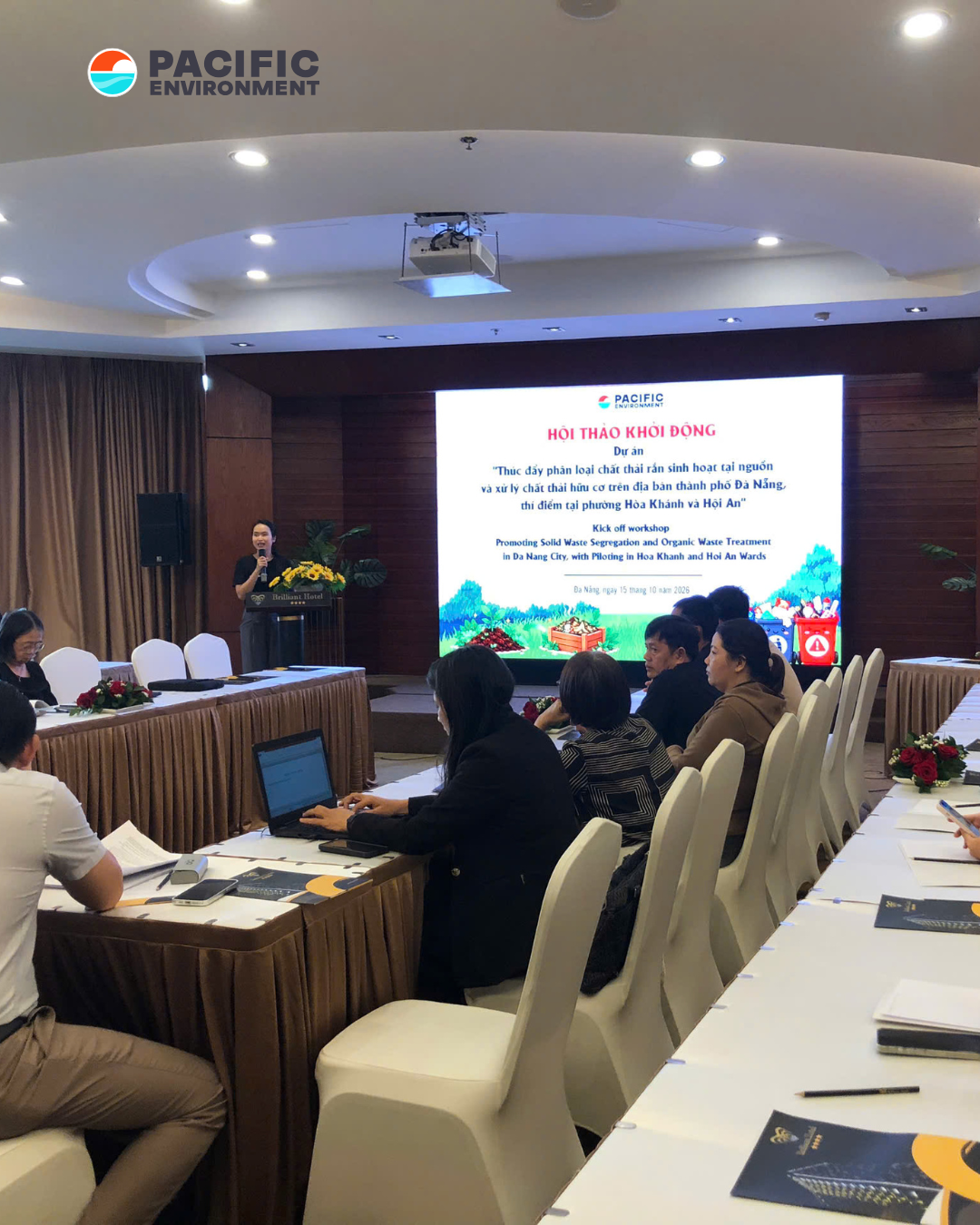
Integrating Waste Segregation with Organic Waste Treatment
Organic waste accounts for approximately 50–70% of municipal solid waste. When improperly managed, it can cause environmental pollution and release methane through anaerobic decomposition. Methane is a potent greenhouse gas with approximately 80 times the warming impact of carbon dioxide over a 20-year period, making effective organic waste management essential to climate mitigation.
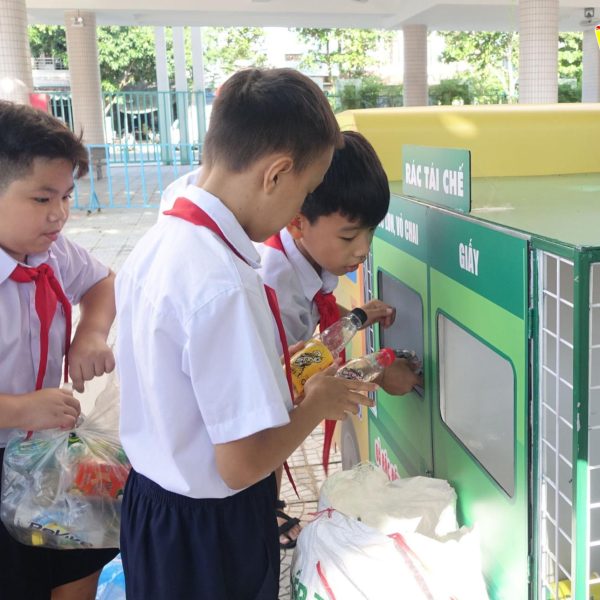
Addressing this challenge requires integrating waste segregation at source with separate collection and treatment systems. Properly segregated organic waste can be converted into compost, recovering valuable resources, reducing landfill disposal, and supporting sustainable waste management.
Running from September 2026 to November 2027, the project is funded by Pacific Environment through a non-refundable grant of over VND 1.06 billion (approximately USD 40,800).
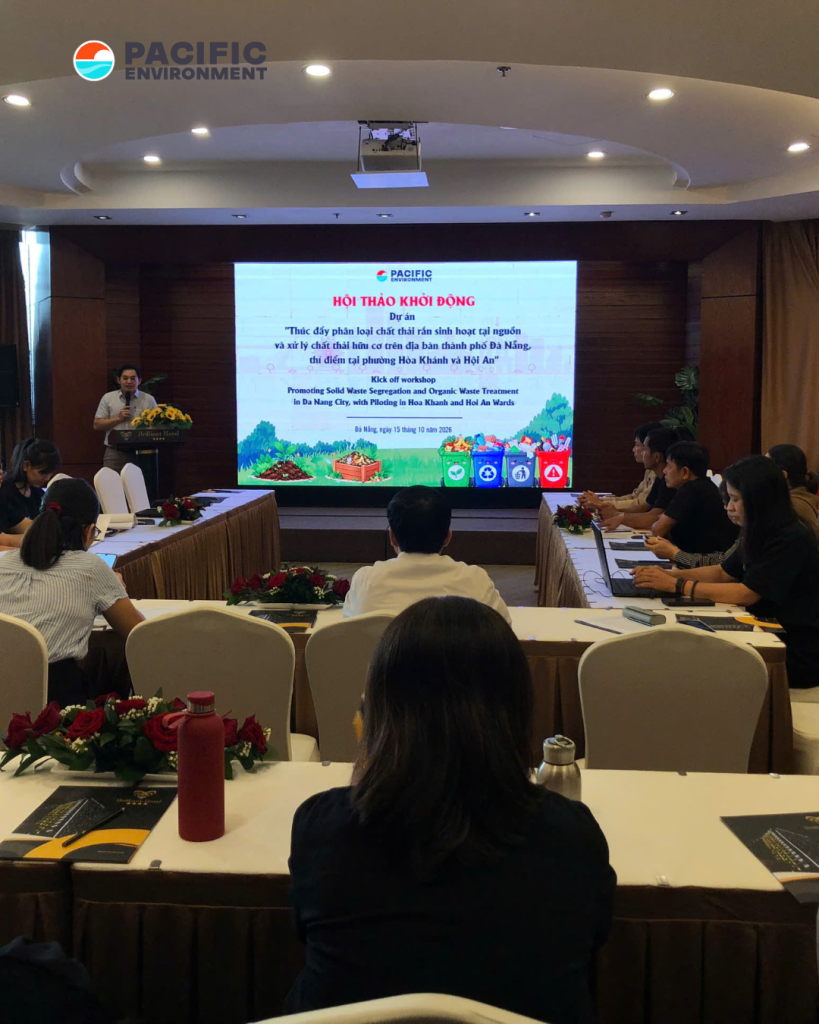
Mr. Vo Van Long, Head of the Da Nang Environmental Protection Sub-Department, emphasized:
“Waste management must shift from a focus on collection and treatment after waste is generated toward prevention and reduction at source, efficient resource use, and the promotion of a circular economy.”
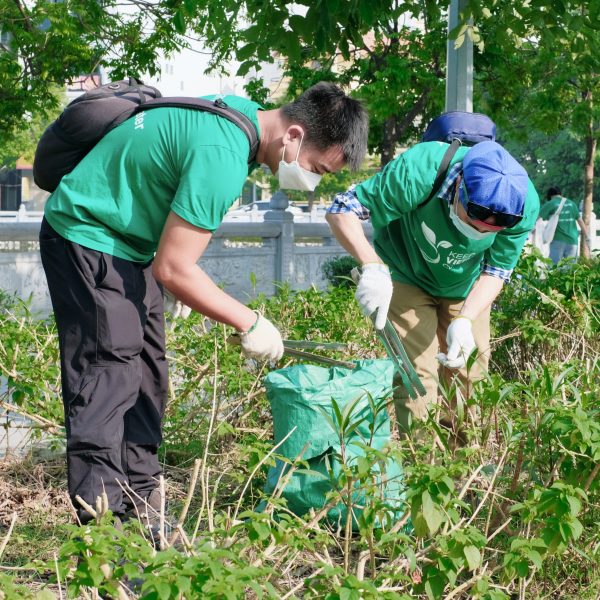
In line with this approach, the project will conduct baseline waste and community awareness assessments, provide training on waste segregation and prevention, develop action plans for source segregation and methane reduction, and support essential equipment for waste collection and treatment. Community monitoring groups will also be established to strengthen local ownership and ensure long-term sustainability.
Through a participatory approach, the project aims to develop locally appropriate coordination mechanisms, empowering residents to take an active role in both implementing and monitoring waste segregation practices.
Strengthening Local Capacity and Creating Opportunities for Replication
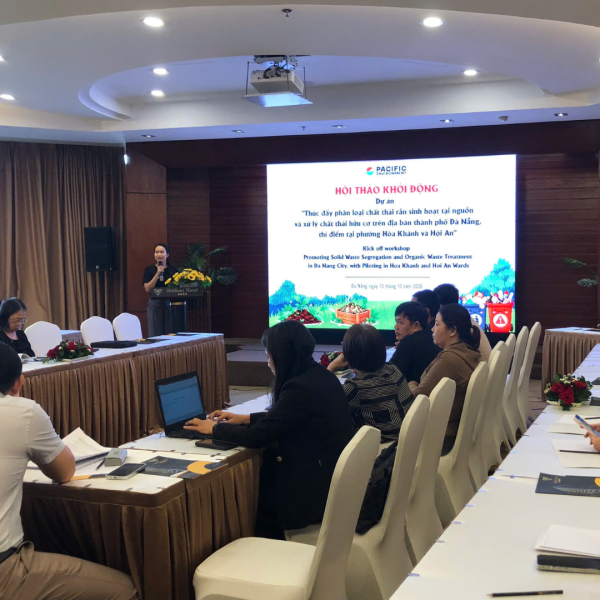
Speaking at the workshop, Ms. Quach Thi Xuan, Vietnam Country Director of Pacific Environment, highlighted:
“Waste segregation at source is only effective when separated waste is properly collected and treated. Through this project, we aim to work with local authorities, waste service providers, and communities to develop practical models tailored to local conditions. A particular priority is the separate collection and treatment of organic waste, which can reduce landfill disposal and methane emissions while advancing a more sustainable and climate-friendly waste management system.”
Beyond community-level pilots, the project places strong emphasis on building the capacity of local government officials. At least 30 officials, including environmental officers from a minimum of 15 wards and communes, will receive training on Zero Waste Community models and low-emission waste management.
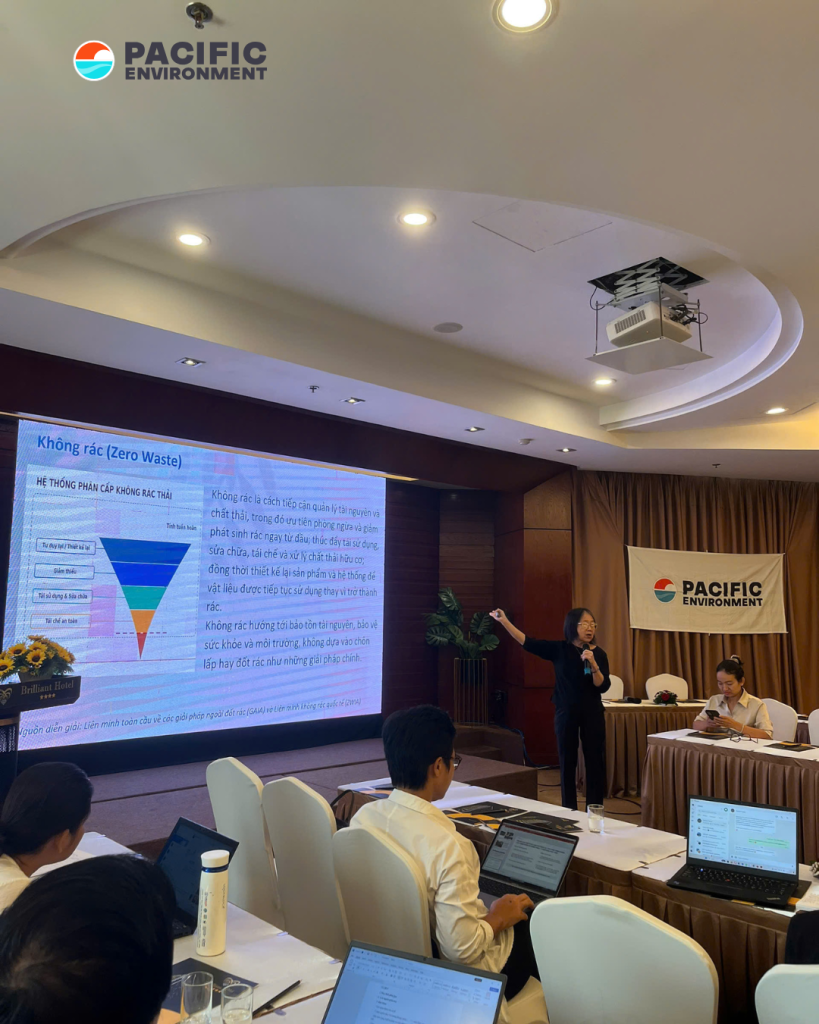
Ms. Nguyen Thi Thuy Nga from the Center for Adaptive Capacity Building (CAB Vietnam) noted: “Effective Zero Waste models require more than appropriate technical solutions. Local officials play a central role in mobilizing communities and organizing waste prevention, segregation, and organic waste treatment activities. Strengthening their knowledge and practical skills is essential to achieving lasting results and enabling successful models to be replicated.”
The project will also conduct waste assessments and audits to evaluate pilot performance, identify challenges, and document lessons learned.
Based on the pilot results, it will support the development of action plans to replicate solid waste management models at ward level, alongside a draft citywide plan for solid waste management and methane emission reduction from organic waste.
These efforts are expected to provide practical evidence for policymaking, strengthen stakeholder coordination, and accelerate the adoption of waste reduction, reuse, and recycling solutions.
Advancing Multi-Stakeholder Collaboration for Sustainable Waste Management
The workshop featured an overview of the project’s objectives and implementation plan, updates on solid waste management in Da Nang, international experiences in Zero Waste approaches, and practical lessons from the organic waste treatment model in Cam Kim, Hoi An.
Participants discussed opportunities and challenges in implementing waste segregation at source, coordination among local authorities, waste collection and treatment providers, and communities, as well as the infrastructure, resources, communication, and monitoring mechanisms needed to sustain effective waste management systems.
The discussions helped identify practical solutions and establish a foundation for coordinated project implementation in Hoa Khanh and Hoi An wards.
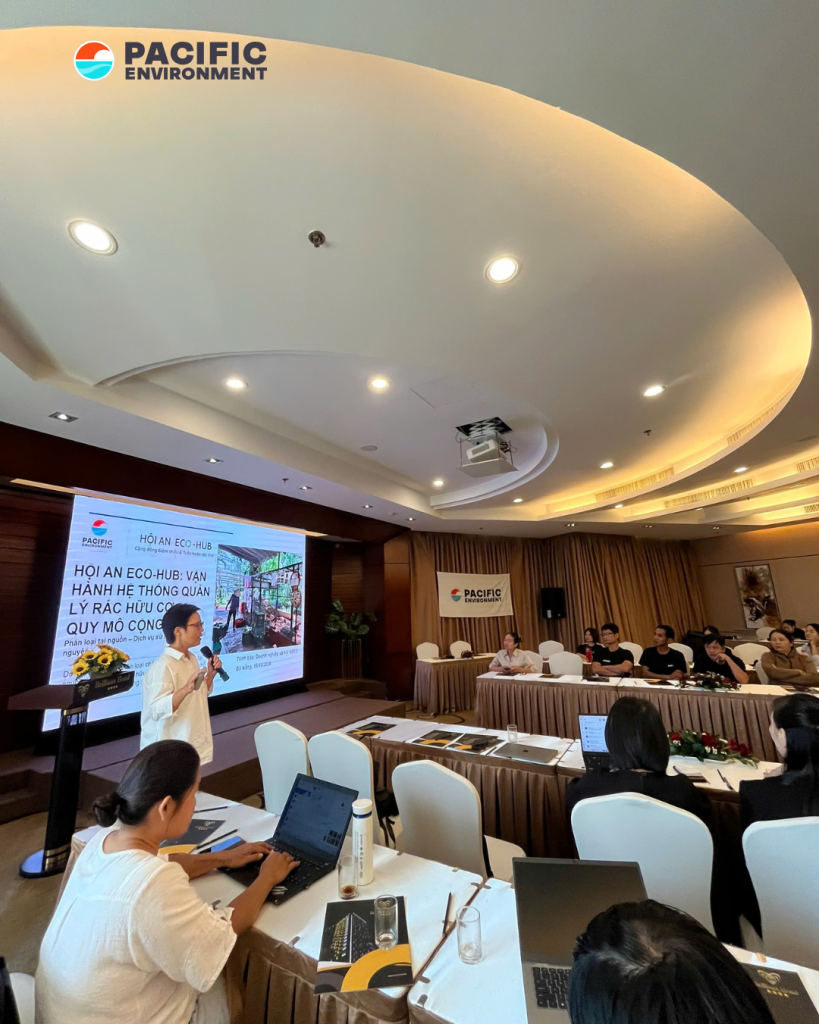
Ms. Vu Thi My Hanh, Founder of REED Social Enterprise, shared:
“Collaboration among government, businesses, and communities helps translate policy commitments into services that people and businesses can use every day, supporting sustainable production and consumption. This approach enables more effective resource coordination and strengthens local waste management systems. In Hoi An, the Eco Hub community center serves as a bridge between stakeholders, supporting waste segregation, collection, and treatment while connecting organic resources from tourism and residential areas with local agriculture and markets.”
The project’s launch reflects a shared commitment among government agencies, civil society organizations, and communities to advancing sustainable waste management.
By prioritizing waste segregation at source and organic waste treatment, the initiative aims to establish practical, scalable models that contribute to Da Nang’s greenhouse gas reduction goals and long-term sustainable urban development.