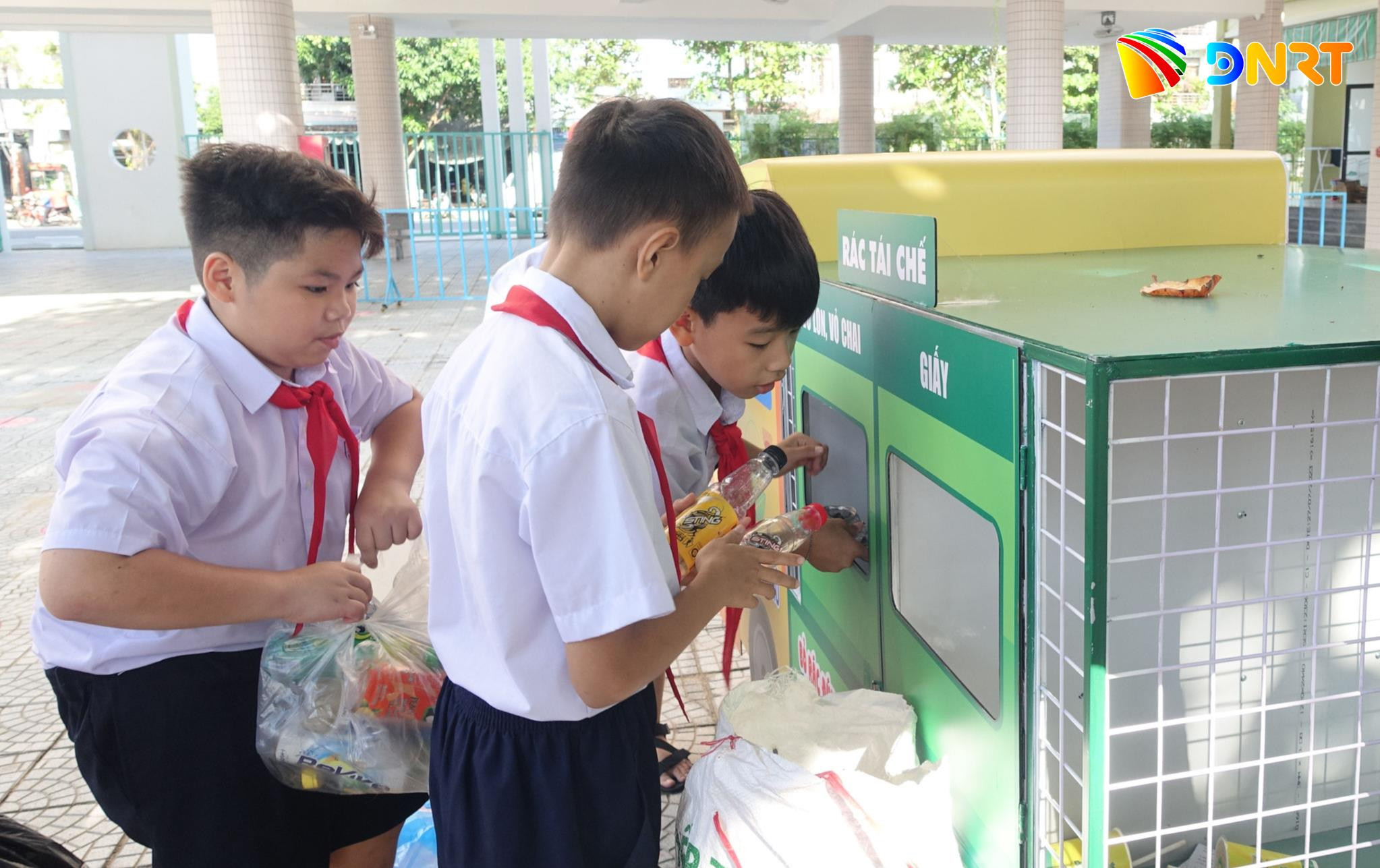
From sorting waste and reducing single-use plastics to turning food waste into organic fertilizer, schools across Da Nang are gradually incorporating environmentally friendly practices into their daily activities. These small but meaningful changes not only reduce the amount of waste generated but also help children develop environmental awareness and sustainable habits from their earliest years.
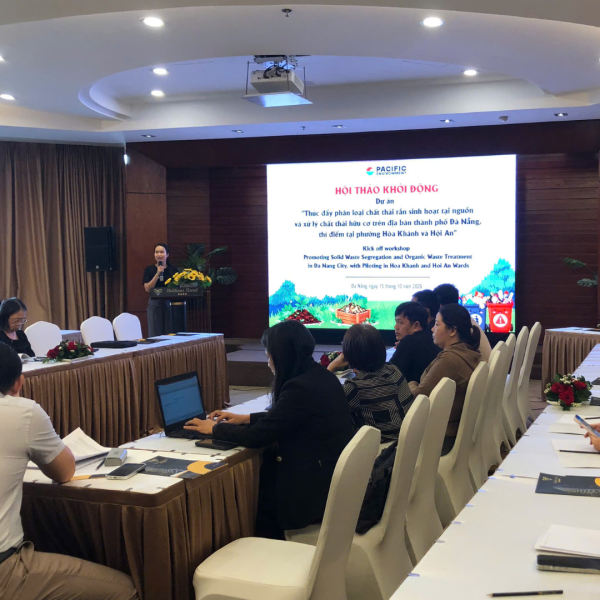
The activities are implemented by the Center for Adaptive Capacity Building Research (CAB), a member of the Vietnam Zero Waste Alliance (VZWA), with funding from Pacific Environment Vietnam (PEVN) and in coordination with education authorities, local governments, and participating schools.
Change starts with small actions
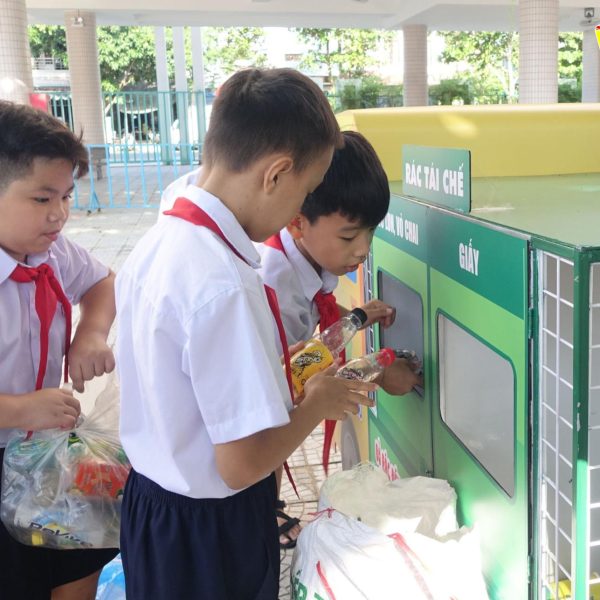
At Dien Nam Dong Kindergarten in Dien Ban Dong Ward, daily teaching, childcare, and meal preparation for 220 children previously generated a considerable amount of waste. As a result, the school had to pay between VND 1.4 million and VND 1.7 million each month for waste collection. After more than four months of implementing measures to prevent and reduce waste, limit single-use plastics, improve waste segregation, and promote reuse, the school’s monthly waste collection fee fell to approximately VND 700,000. This figure is expected to decrease further as the practices become more established. Alongside improving its waste management system, the school has integrated environmental education into lessons and everyday activities. Children learn about the impacts of plastic bags, disposable cups, and other single-use products. They also practise simple actions such as putting waste in the correct bins, identifying different types of waste, and avoiding unnecessary plastic items.
The school has also established a waste audit team to monitor waste generation and evaluate the effectiveness of its reduction measures. Initial results show that the most important outcome is not only the reduction in waste and collection costs, but also the positive changes in awareness and behaviour among teachers, children, and parents.
Turning food waste into a resource
Food waste generally makes up a significant proportion of the total waste generated at schools that provide daily meals. When it is not properly separated, food waste becomes mixed with other materials and is transported for disposal. This wastes valuable organic resources while increasing pressure on local collection and treatment systems.
At Hoa My Kindergarten in Son Tra Ward, food waste from the school kitchen is separated and processed into organic fertilizer for flower beds, trees, and the vegetable garden on campus. Suitable organic materials are also used to produce biological cleaning solutions. Food scraps that cannot be processed at the school are collected separately and transferred to individuals who use them as animal feed, in accordance with local guidance. Through practical activities, children learn how to identify different categories of waste, care for plants, and use organic fertilizer produced by the school. Waste segregation therefore becomes more than a lesson in the classroom—it becomes a familiar and engaging part of their daily experience. These positive practices are also spreading beyond the school grounds. Many parents have become interested in learning and applying food-waste segregation and treatment methods at home. Their participation strengthens connections between schools, families, and communities while creating a supportive environment in which children can maintain the green habits they have learned.
Working together to nurture green citizens
In recent years, with funding from Pacific Environment Vietnam, CAB has worked with government agencies, local authorities, and schools to implement a range of school-based waste reduction and environmental education activities in Da Nang. The programmes focus on raising awareness, building practical knowledge, and introducing solutions suited to the conditions of each participating school.
As a member of the Vietnam Zero Waste Alliance, CAB also connects these local initiatives with the alliance’s broader zero-waste approach. This approach prioritises preventing and reducing waste at source, promoting reuse, improving waste segregation, and ensuring appropriate treatment, instead of focusing only on collecting waste after it has already been generated.
Collaboration among PEVN, CAB, education authorities, and participating schools demonstrates that waste-reduction education can be practical, accessible, and appropriate for children of different ages. When children understand why single-use plastics should be reduced, learn how to segregate waste, and see food scraps transformed into nutrients for plants, they can better recognise the connection between their daily actions and their environmental impact.
Building a green city does not begin only with major policies or large-scale infrastructure. It also starts with small habits nurtured in every classroom, school meal, and family. With the collective efforts of schools, parents, civil society organisations, and local communities, today’s simple practices can help shape a future generation of environmentally responsible citizens.